
––––––––––––––––
05 — CONTEXT
HUMAN EXPERIENCE AS RESEARCH CONTEXT
My artistic research is informed by encounters with people, places, educational environments and different cultural contexts.
These experiences are not treated as separate research subjects.
They provide situations through which I observe, remember, question and reflect on how lived experience can enter artistic practice.
––––––––––
UGANDA
Humanity · Dignity · Resilience
In 2019, through Save African Children, the non-profit organisation I was involved with, I became involved in the construction of God’s Light Nursery School in Jinja, Uganda, a community school supporting orphans. I was involved in the construction and development of the school, and I also taught art to the children.
Through drawing, making, and working with colour, I found simple ways of communicating and connecting with the children, even when we did not share the same language. Making things together created moments of curiosity, participation, and exchange, and allowed us to connect through something we could experience together.
This experience changed the way I think about art. It showed me that artistic practice can be more than individual expression; it can create a space for people to meet, participate, and connect with one another. It strengthened my interest in art as a way of exploring human connection, dignity, curiosity, participation, and exchange.
––––––––––
MALAYSIA
Memory · Identity · Education · Place
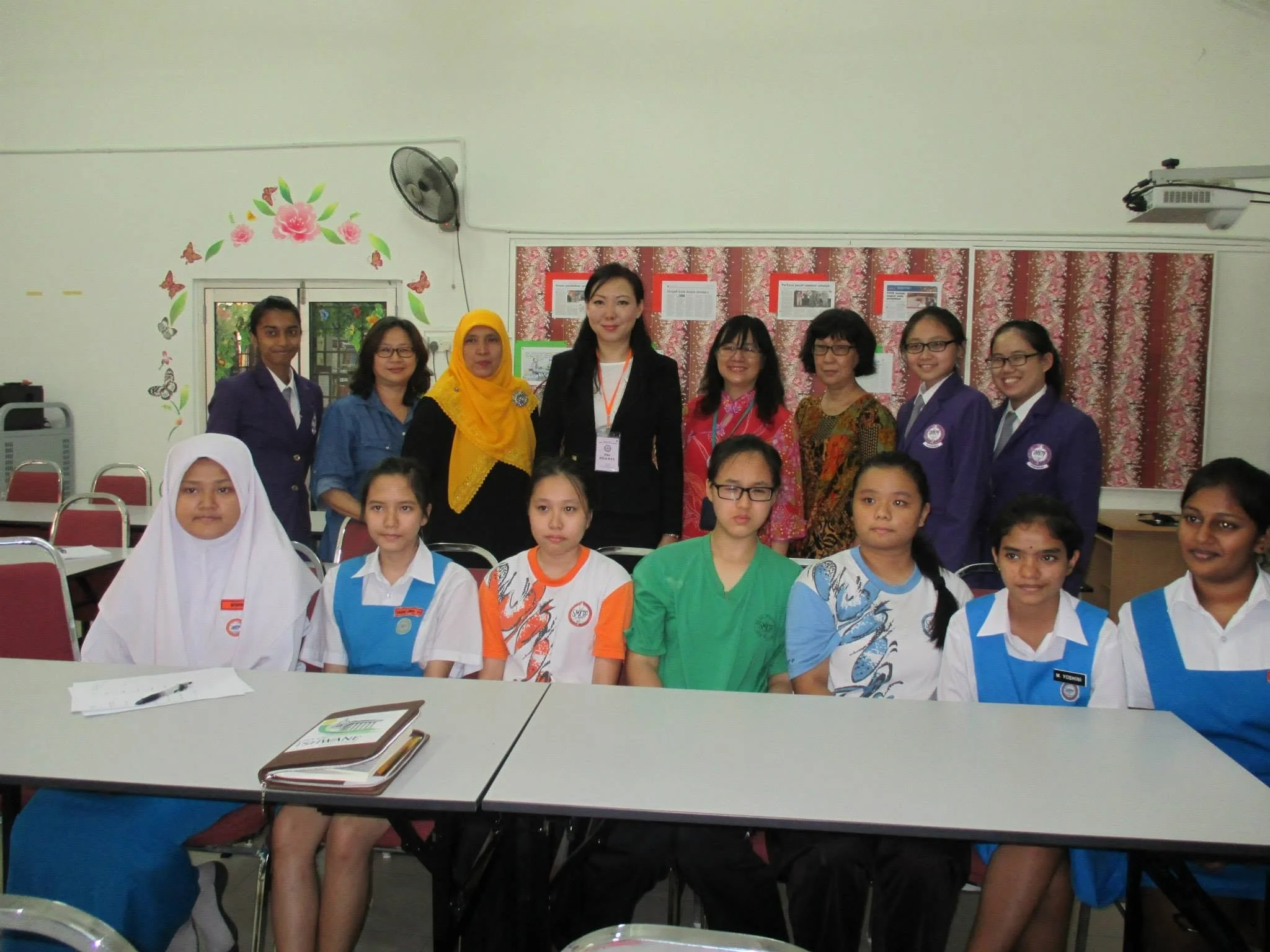
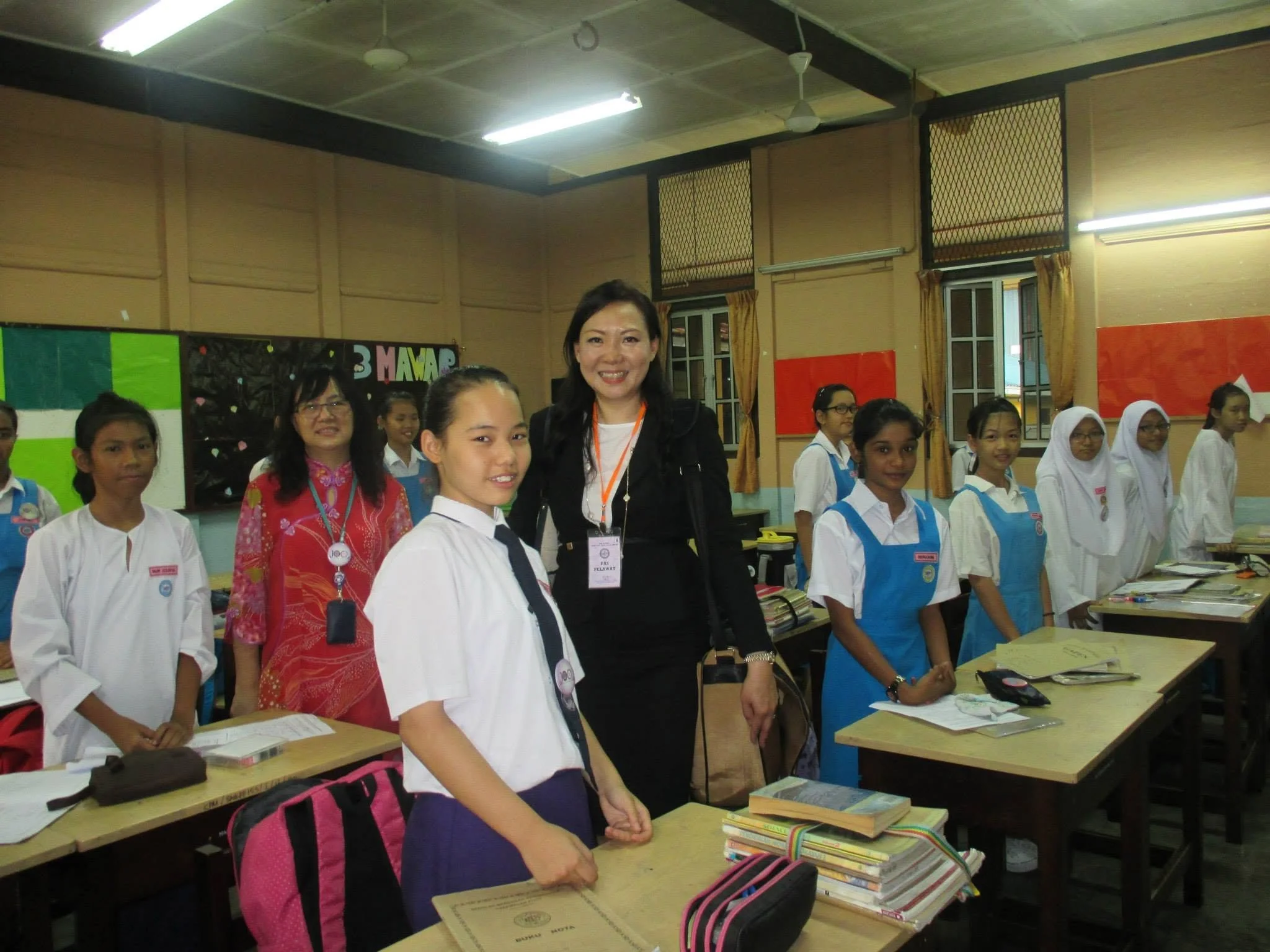
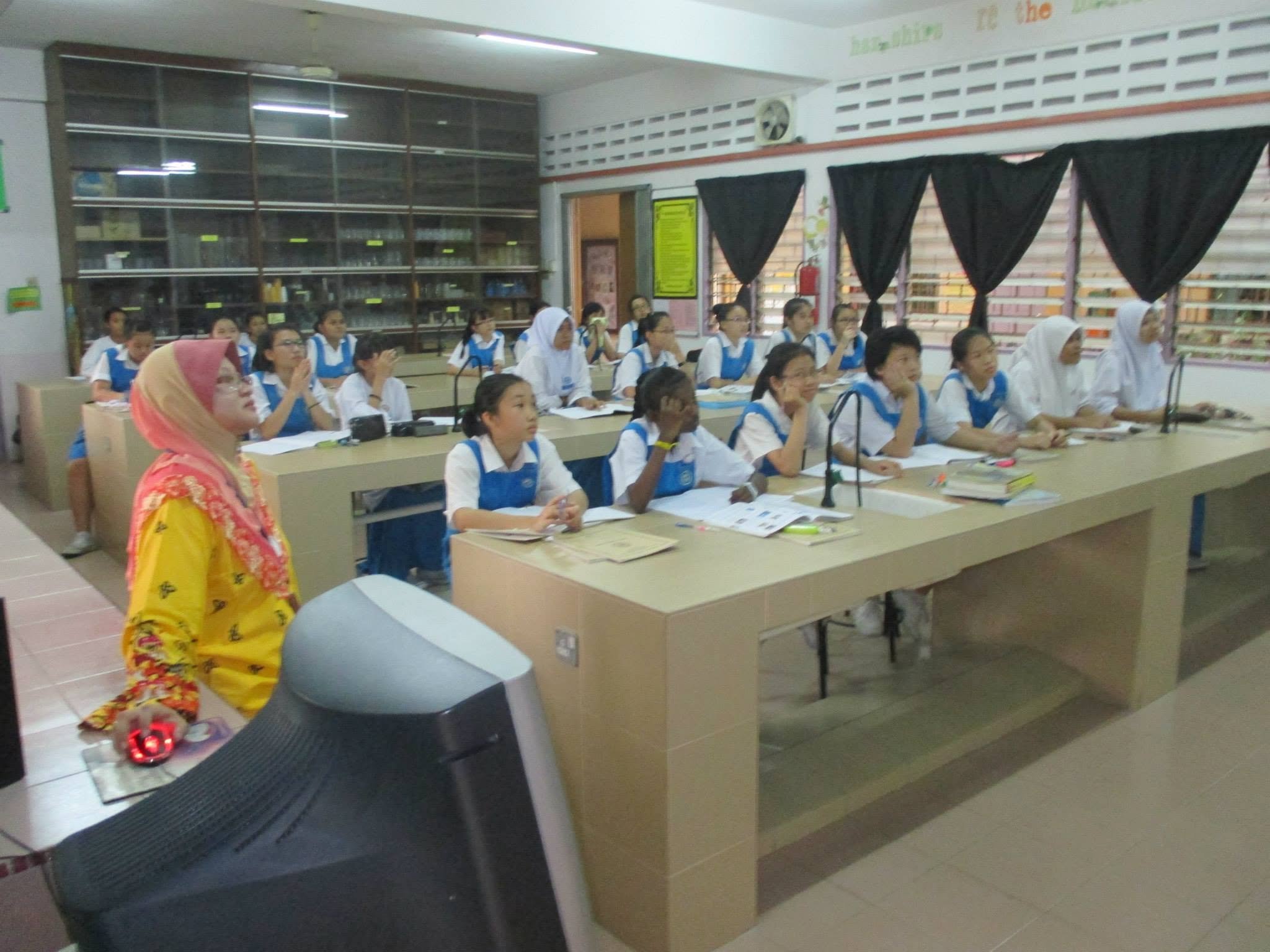
My experiences in Malaysia contributed to my understanding of colour, culture, memory, identity, education and place.
These experiences form part of the personal and cultural background from which my artistic practice developed.
They contribute to my interest in how experience can be remembered, observed, questioned and transformed through artistic practice.
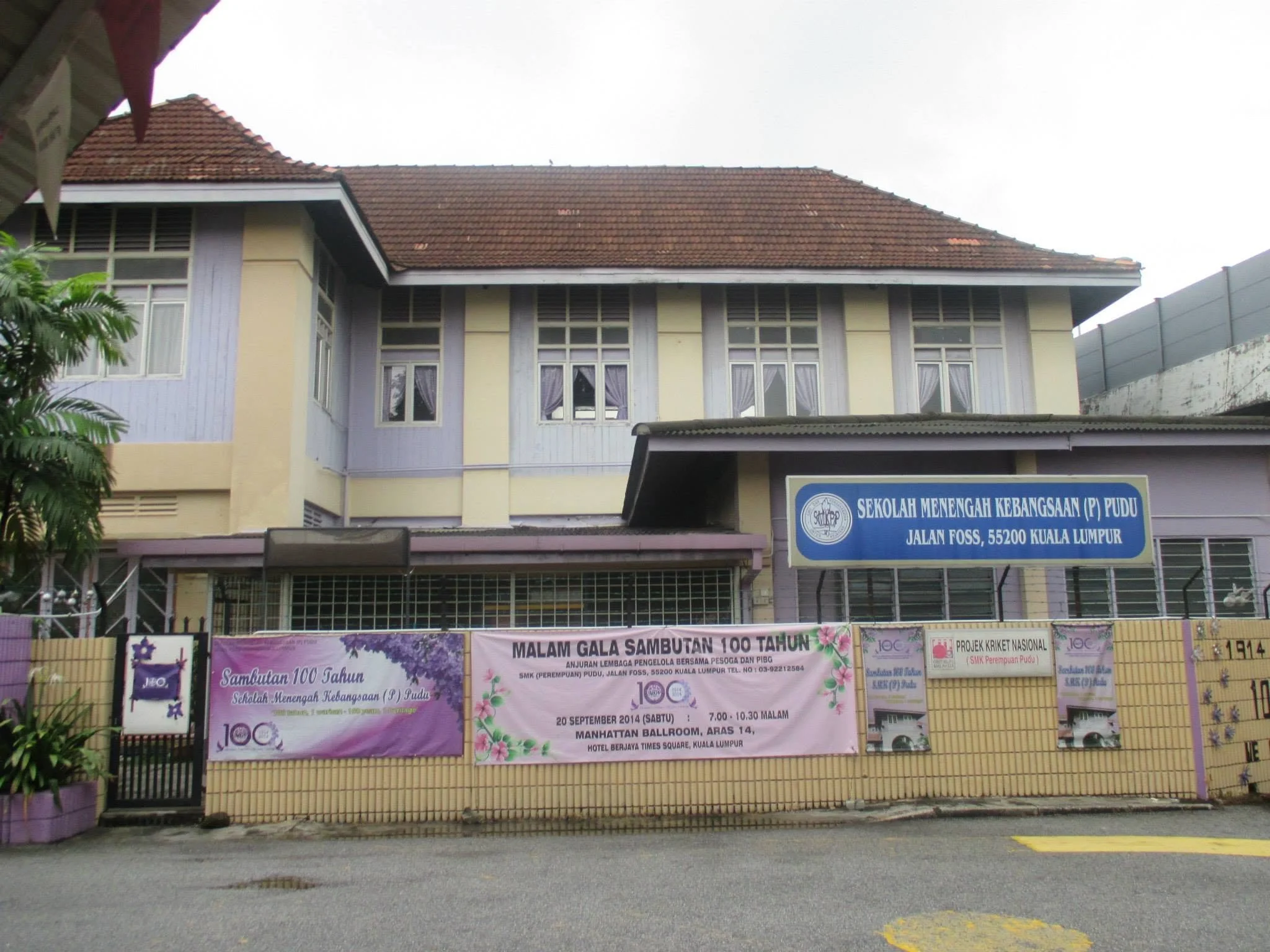
SSeMKL and relevant environment
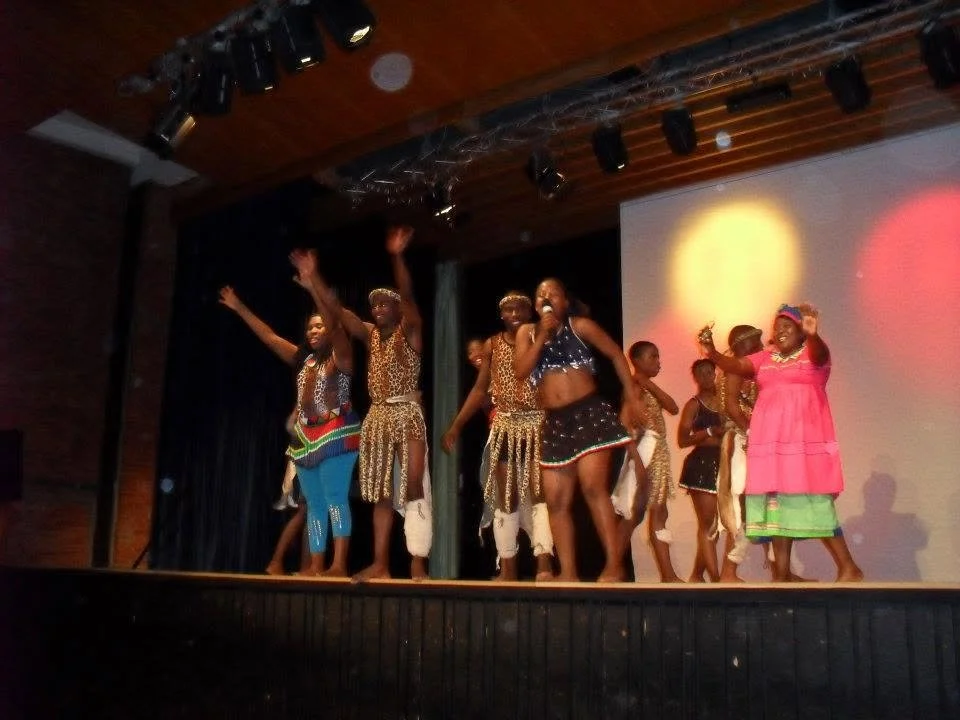
Art and Music workshop
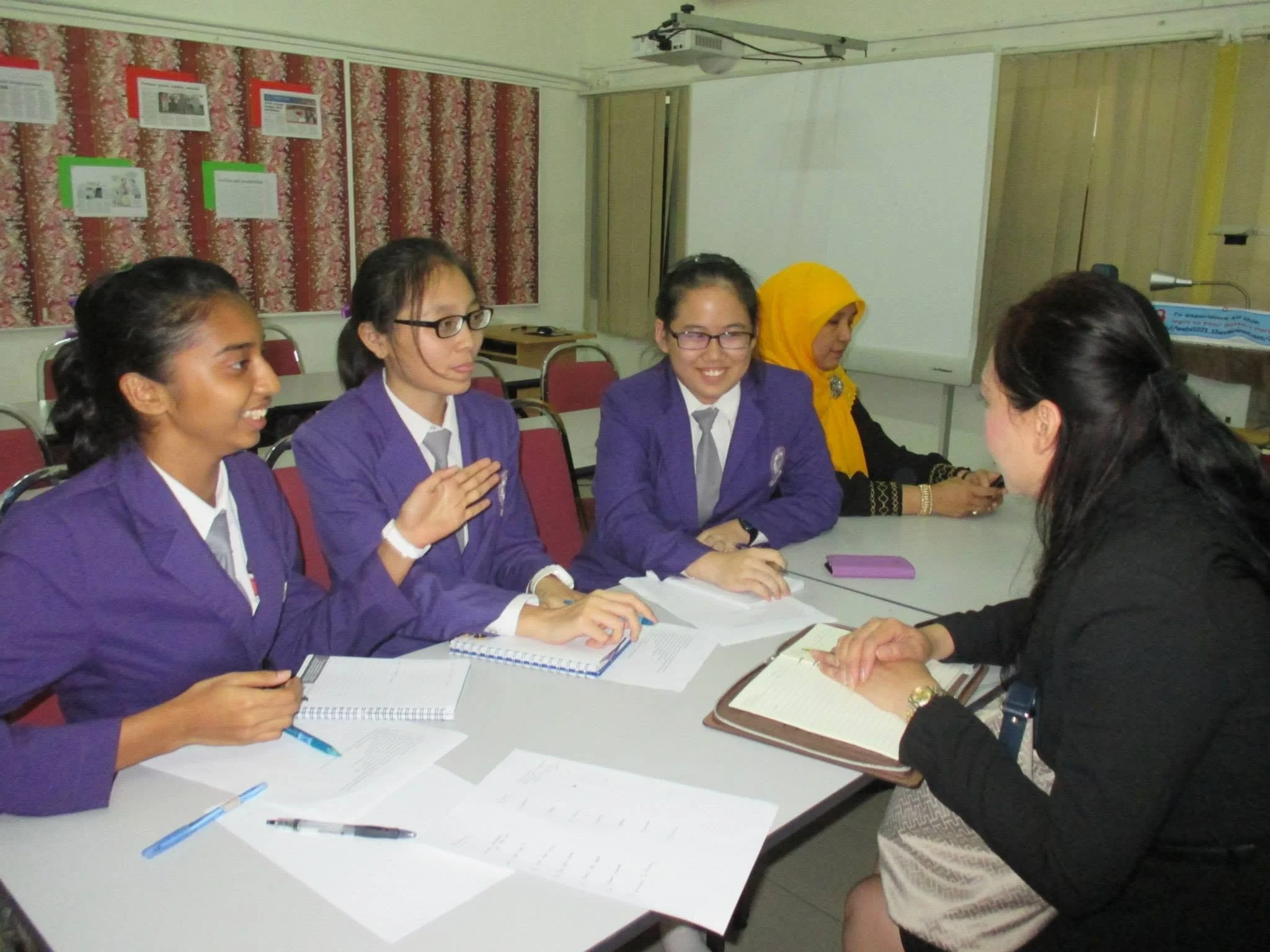
My encounter with students
Artistic exchange and activity
––––––––––
GERMANY
Dialogue · Cultural Exchange · Artistic Learning
My artistic and educational experiences in Germany have provided opportunities to work with people from different cultural and social backgrounds.
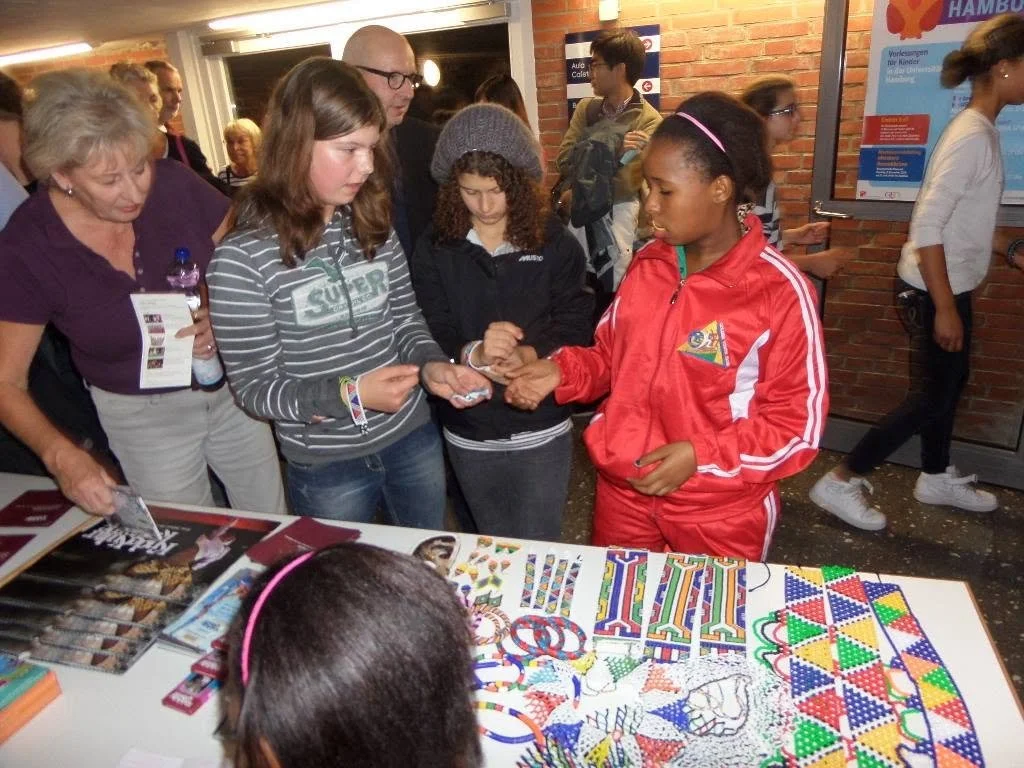
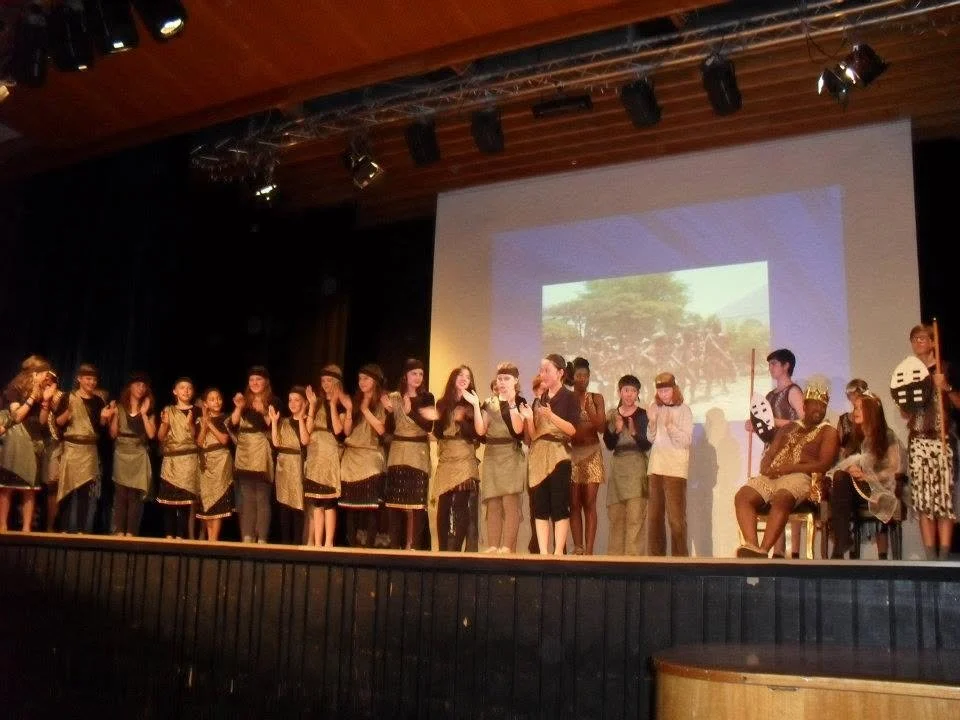
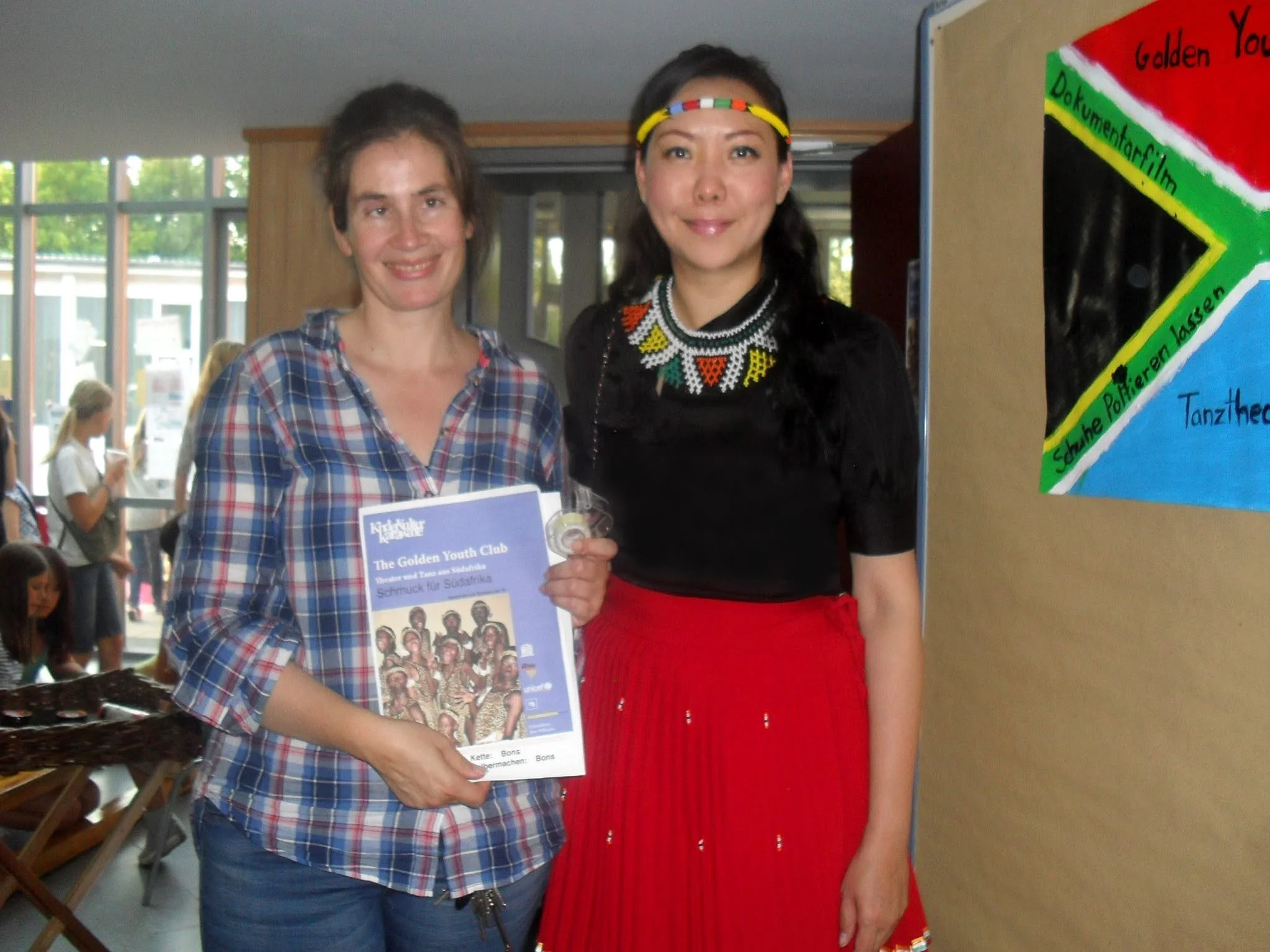
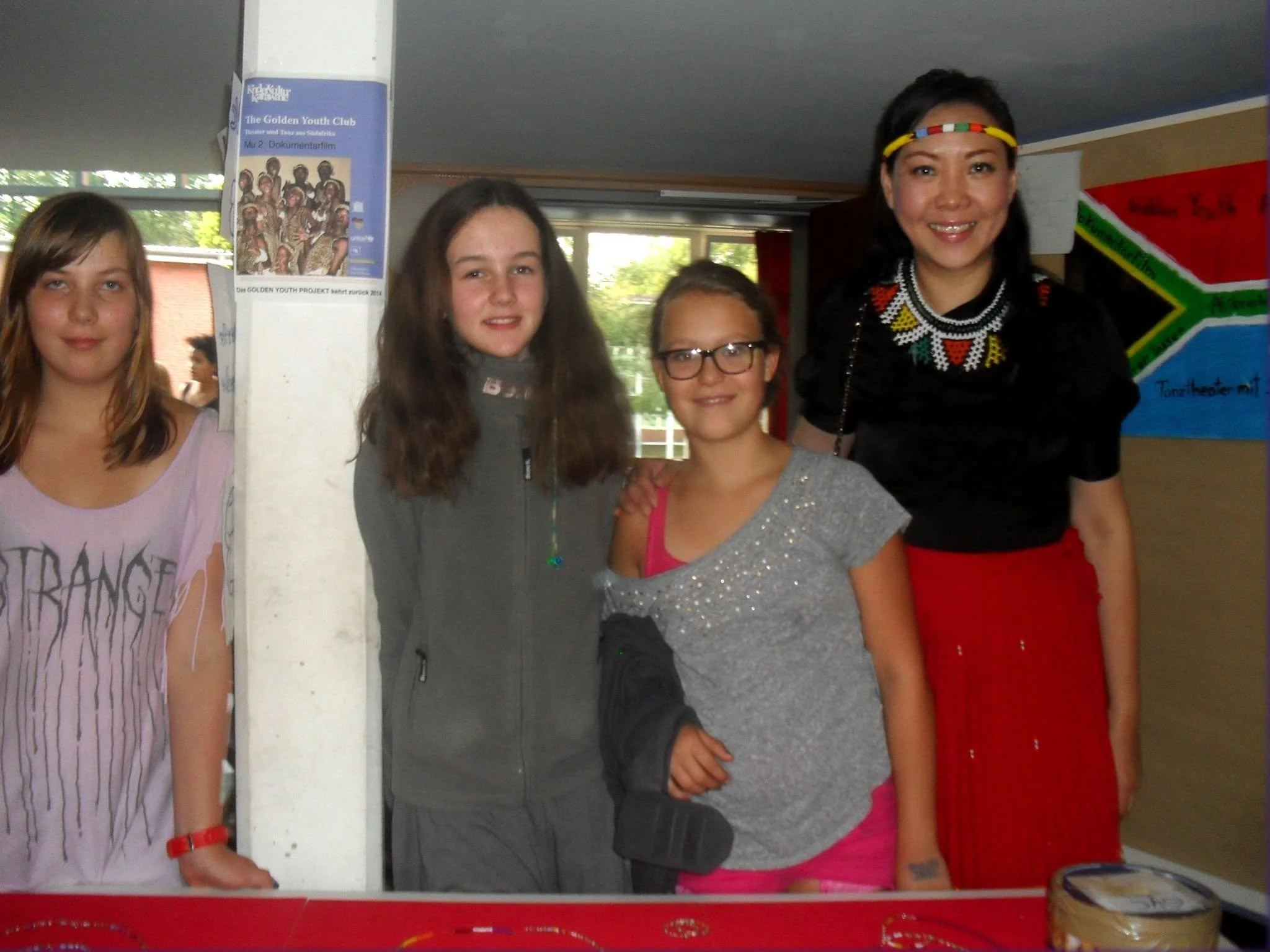
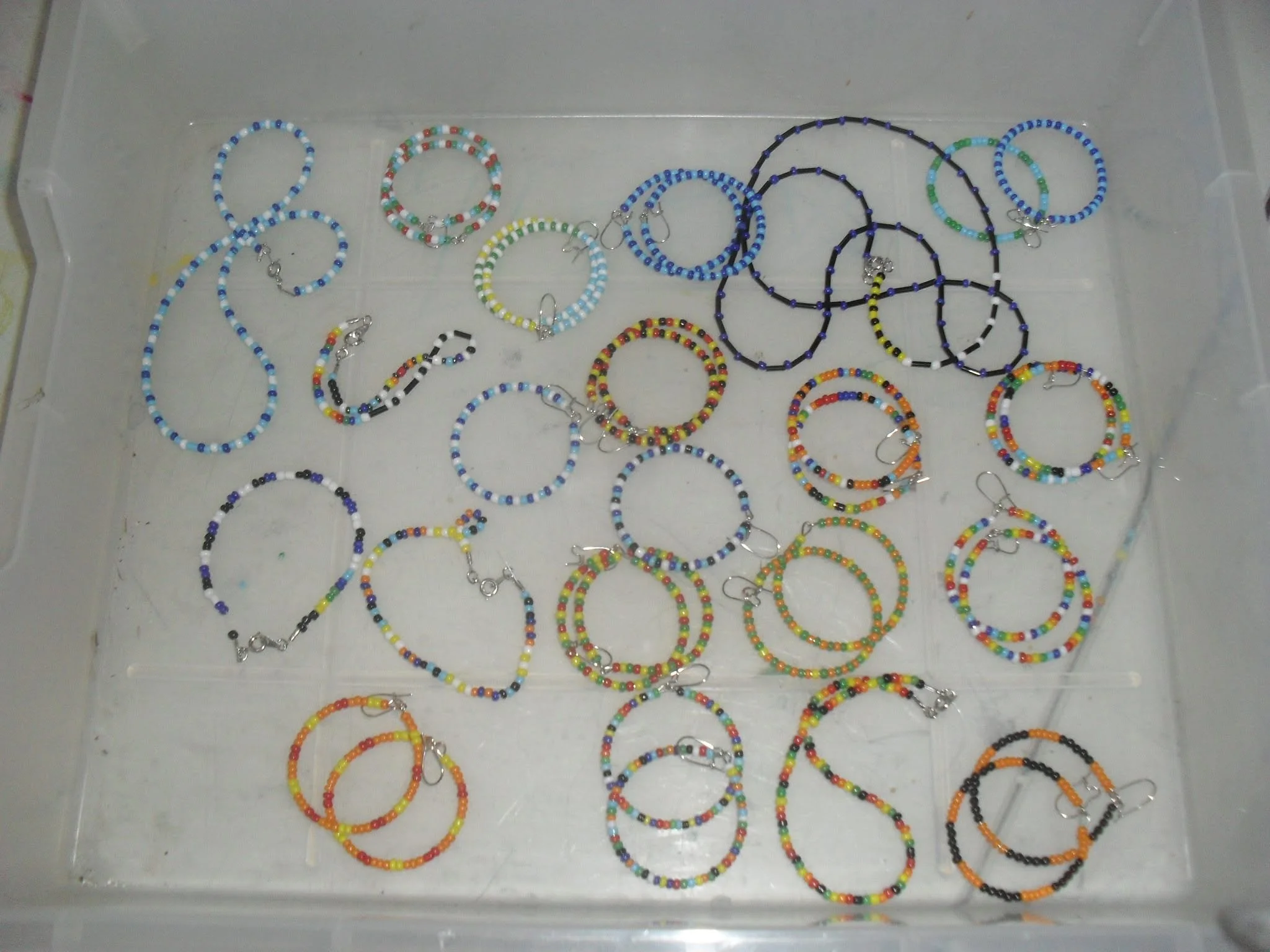
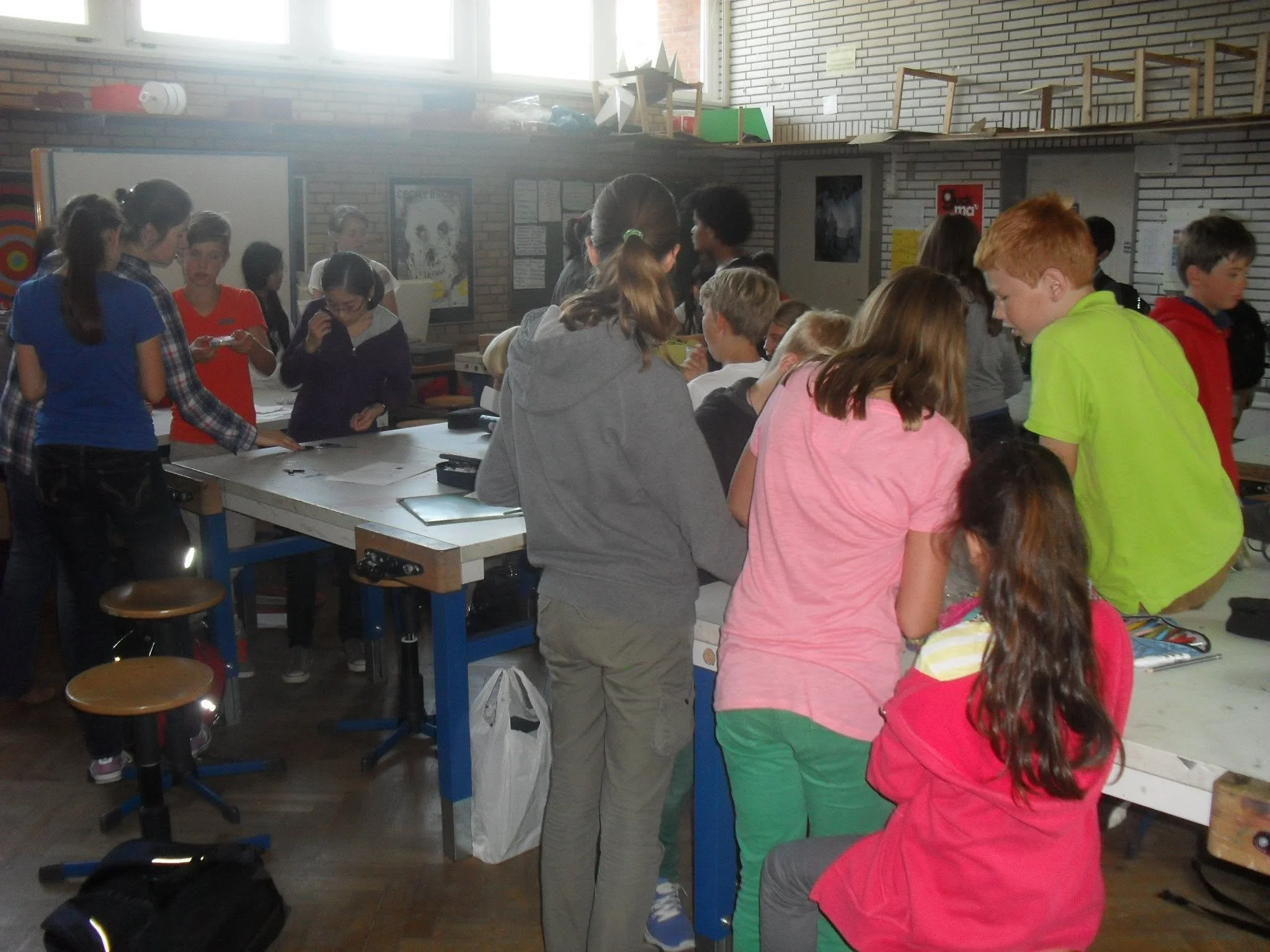
My experience as a guest artist at Gymnasium Hochrad in Hamburg introduced artistic practices connected with African handmade art through creative activities with students.
These encounters contributed to my understanding of artistic practice as a space for dialogue, participation, exchange and shared learning.
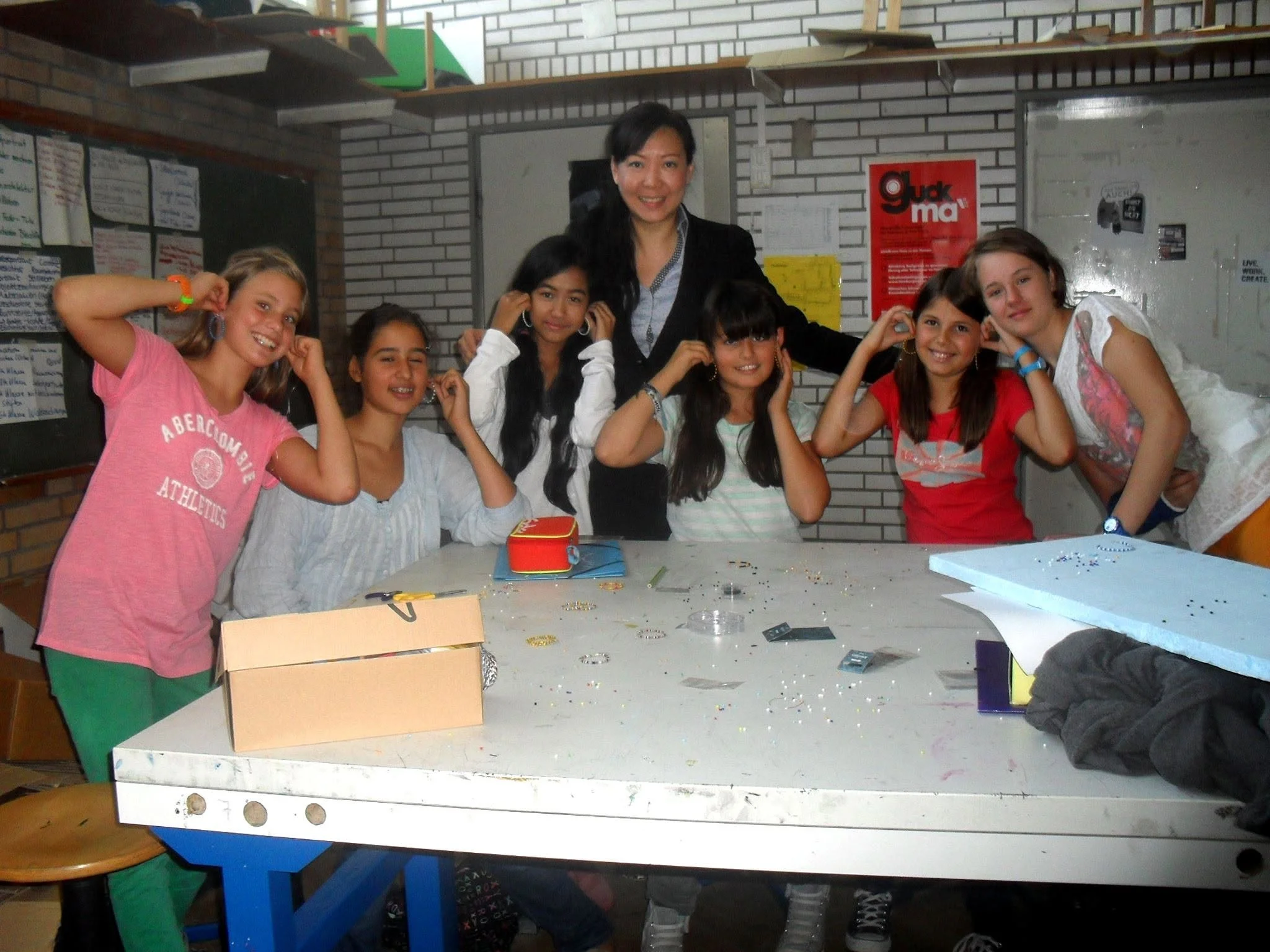
Gymnasium Hochrad and educational environment
African handmade-art activity
Guest-artist activity
Artistic exchange and student activity
CROSS-CONTEXTUAL REFLECTION
Uganda, Malaysia and Germany are not three separate research projects.
Together, they have contributed to the development of a broader question:
How does lived experience enter artistic practice, and how can it be transformed through making?
The contexts provide different experiences through which I have developed an increasingly attentive relationship to encounter, memory, identity, perception, connection and artistic exchange.
The doctoral research now asks how such experience can be investigated through artistic making rather than simply narrated.